
June 29, 2026 | Roseland
Building in South Burlington: The Ultimate Guide to Roseland Zoning Bylaws

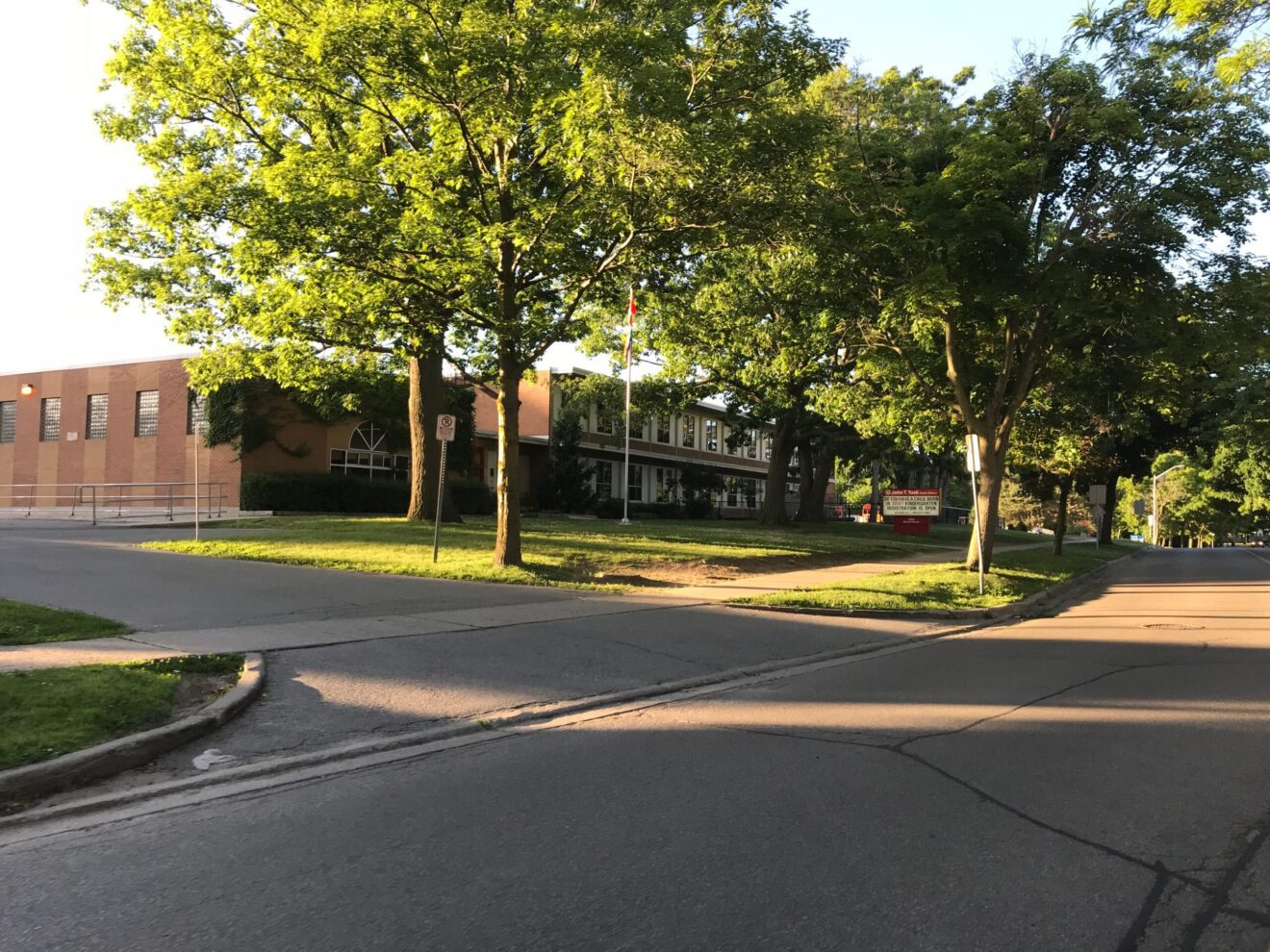
There is a distinct magic to walking the streets of Roseland. Established primarily in the mid-20th century, this South Burlington enclave is famous for its sprawling 100-foot-wide lots, “English Garden” layouts, and an incredible canopy of mature oaks and maples. Because 91% of Roseland consists of detached homes, it has become a primary target for buyers looking to build their dream custom estate. High-net-worth families frequently snap up older 1950s bungalows just to utilize the massive lot footprints. However, building or heavily renovating a home south of New Street is not like building anywhere else in the GTA. There are many hidden rules and by-laws most people are unaware of.
The City of Burlington aggressively protects Roseland’s historic aesthetic, unique lake-adjacent topography, and mature greenery. If you want to build or buy here, you must understand the rules and by-laws. Failing to do so can result in frozen building permits, massive fines, and rejected architectural plans. Here is your definitive guide to navigating the Roseland character area building codes.
1. Decoding Lot Coverage: The Newly Enacted By-laws (09-2026)
When looking at a massive 0.3-acre lot in Roseland, your immediate thought might be to build a sprawling, 6,000-square-foot custom home. But you need to factor in strict Lot Coverage restrictions first.
The City of Burlington recently updated its framework with Zoning By-law 09-2026. Under these rules, residential zones dictate a strict maximum percentage of the lot that buildings can physically occupy.
The Standard Rules vs. The Roseland Premium
- Standard Low-Density Lots: Generally, lot coverage limits hover between 25% and 40% depending on the exact zoning code (R1, R2, or R3) and whether the layout includes a two-storey structure or an attached garage.
- The Garage Caveat: In the specific Roseland and Indian Point Character Areas, attached garage widths are strictly restricted based on your frontage to prevent “garage-forward” modern builds from destroying the historic streetscape. For instance, lots over 25 meters wide limit your attached garage footprint to a maximum of 15% of your actual lot width.
- The Lakeshore Exemption: Interestingly, properties directly south of Lakeshore Road or with a front yard abutting Lakeshore are exempt from certain standard lot coverage restrictions, but they face intense scrutiny from conservation authorities instead.
Pro Tip: Before drawing a single architectural plan, you must apply for a Zoning Clearance Certificate under the city’s framework to verify your property’s exact sub-designation.
2. The Private Tree By-law: Protecting the Canopy
You cannot simply clear-cut a lot in Roseland to make room for a wider driveway or a backyard pool. Burlington values its urban forest, and the Private Tree By-law applies strictly within the city’s urban boundary.
If your custom build impacts a tree on the property, you must pay attention to its Diameter at Breast Height (DBH):
- The 20cm Rule: Any tree with a trunk diameter of 20 cm or larger is legally protected. If construction activity falls within its designated Tree Protection Zone (TPZ), you must secure a formal Tree Permit.
- “Significant Trees”: Trees with a DBH of 75 cm or larger are categorized as “Significant.” The city offers preservation grants for these giants because replacing their environmental footprint takes decades.
The Cost of Removal (The Replacement Ratios)
If the city does grant you a permit to remove a healthy tree for your custom home, you are legally required to compensate for the loss of the canopy. You must either replant saplings or pay cash-in-lieu ($250 per required replacement tree):
| Trunk Diameter (DBH) of Removed Tree | Required Replacement Ratio |
| 20 cm to 35 cm | 2 New Trees (or $500) |
| 36 cm to 74 cm | 3 New Trees (or $750) |
| 75 cm or Greater | 4 New Trees (or $1,000) |
3. Lot Grading and Lake Ontario Drainage
Because Roseland slopes gently down toward Lake Ontario, site grading and stormwater management are heavily regulated.
When you demolish an older bungalow to build a large two-storey home, you change how water flows across the property. The City of Burlington requires a comprehensive Lot Grading Plan before issuing a building permit.
Your design must prove that rainwater runoff will not flood your neighbor’s yard or overload the local storm sewers. Furthermore, if your property sits close to the waterfront or near local creeks feeding into the lake, your project will require a secondary layer of approval from Conservation Halton to protect against shoreline erosion and flood plain hazards.
4. Preserving the “English Garden” Aesthetic
Even if your plans perfectly pass the technical lot coverage and tree protection bylaws, you still have to respect the look and feel of the neighborhood. The city utilizes specific Character Area Guidelines to ensure new builds seamlessly blend with historic architecture.
What does this mean for your design?
- Substantial Setbacks: Roseland homes typically sit far back from the street. Mimicking these deep front-yard setbacks is usually mandatory for new builds.
- Material Integrity: Massive, ultra-modern “white box” mansions with flat roofs often face heavy resistance at the Committee of Adjustment if they clash dramatically with neighboring Cape Cod, Tudor, or Georgian designs.
- Soft Landscaping: Front yards must maintain high percentages of natural green space, keeping paved driveways proportionate rather than dominant.
The Golden Rule for Roseland Buyers
If you are looking to purchase an older home in Roseland with the intent to build fresh, never buy unconditional. Always include a condition in your offer that allows an architect or structural engineer to review the site’s zoning compliance, tree protection boundaries, and grading potential.
Are you looking for a prime building lot in South Burlington, or do you need recommendations for custom builders who specialize in the Roseland Area? Contact our team today to gain access to our exclusive network of local land opportunities.
Frequently Asked Questions (FAQs)
Generally, yes, provided the home is not listed on the Burlington Municipal Heritage Register. If a home has been designated a heritage site under the Ontario Heritage Act, you cannot demolish it and must preserve its architectural elements.
If your design goes over the lot coverage rules set by By-law 09-2026, you must apply for a Minor Variance through the Committee of Adjustment. This process involves a public hearing where your neighbours can voice opinions on whether your build negatively impacts the street’s character.
You still need a permit. An arborist report must be submitted to the city showing that all preservation options (such as altering the foundation line or hand-digging near the roots) were explored before a removal permit will be considered.
Get The Newsletter
Join our mailing list to get updates from our experts about the Toronto market, the latest listings, and our industry insights.