

February 22, 2024 | Buying
Navigating Closing Costs: A Comprehensive Guide for Home Buyers and Sellers
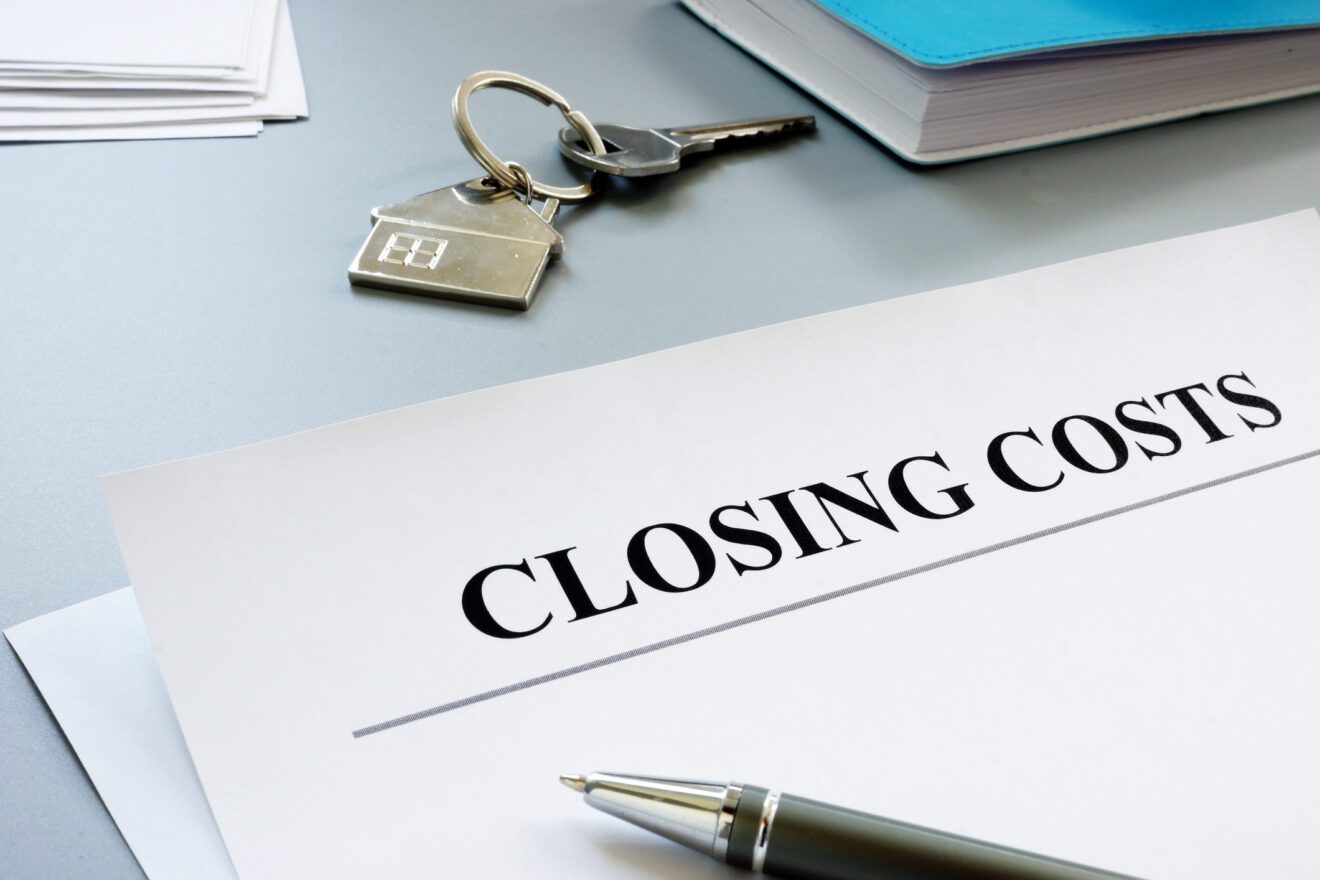
Understanding closing costs is one of the most important parts of preparing for a real estate transaction in the GTA and surrounding areas. As a Realtor with many years of experience, my goal is to give you the information you need to navigate this process smoothly. Whether you’re a buyer or a seasoned seller, knowing your closing costs ahead of time helps you stay financially prepared for what’s ahead.
Part 1: Closing Costs for Buyers
Let’s start by breaking down the closing costs that buyers in the GTA typically encounter. Having a clear picture of these expenses helps you budget effectively for your purchase.
Legal Fees ($1,000–$2,500)
Legal fees are a non-negotiable part of any transaction involving closing costs. Buyers need a lawyer to handle title searches, prepare documents, and manage the closing process. Fees vary depending on the complexity of the deal and your chosen lawyer, but they typically fall between $1,000 and $2,500.
Land Transfer Tax (Varies)
Ontario buyers must pay a land transfer tax, one of the larger closing costs to plan for. This tax is based on the purchase price of the home. First-time buyers may qualify for a rebate that partially or fully offsets this expense. Consult your real estate agent or lawyer to understand how this applies to your situation, or use our land transfer tax calculator here.
Home Inspection Costs ($400–$600)
A thorough home inspection helps confirm the property is in good condition and free of major issues. This closing cost typically runs between $400 and $600. Investing in a quality inspection can save you from unexpected repair costs later. At Urban Group Realty, we cover one inspection for our clients, helping make this step more affordable.
Appraisal Fees ($300–$500)
Lenders may require an appraisal to confirm a property’s market value. This fee typically ranges from $300 to $500. Some lenders absorb this closing cost, while others pass it on to the buyer.
Title Insurance ($300–$500)
Title insurance protects buyers from potential defects or ownership issues tied to the property. This closing cost generally runs between $300 and $500.
Mortgage Application Fees (Varies)
Some lenders charge a mortgage application fee, while others waive it as part of a promotional offer. Ask your lender directly about any fees tied to your application.
Home Insurance ($1,000–$2,000 Annually)
Home insurance protects your investment and is a recurring cost worth factoring into your closing costs. Premiums depend on the property’s location, size, and other factors, generally ranging from $1,000 to $2,000 per year.
Property Tax Adjustments (Varies)
Depending on your closing date, you may need to reimburse the seller for property taxes paid in advance. Your lawyer will calculate this adjustment and let you know the amount owed.
Utility and Service Hook-Up Fees (Varies)
Setting up utilities like electricity, water, gas, and internet often comes with connection fees. These closing costs can add up to several hundred dollars, so budget accordingly.
Moving Costs (Varies)
Physically relocating your belongings is another expense to factor into your closing costs. Whether you hire professional movers or rent a truck, prices vary based on your circumstances. Distance, volume of belongings, and the services you need all affect the final cost. Here’s a general range for professional moves within 60 km:
- Small Apartment: $1,000–$2,000+
- 2–3 Bedroom Home: $2,500–$4,500+
- 4+ Bedroom Home: $4,500–$7,500+
These are rough estimates. Actual costs depend on distance, weight of belongings, time of year, and any additional services like packing or unpacking. Getting quotes from multiple movers, and requesting in-home estimates where possible, gives you a more accurate picture.
Additional Costs
Depending on your transaction, you may face other closing costs such as condo fees, home warranty fees, or survey and zoning compliance charges. Your agent and lawyer can help identify anything specific to your situation.
Can I Roll Closing Costs Into My Mortgage?
In some cases, buyers can include certain closing costs, like land transfer tax or mortgage insurance premiums, in their mortgage amount. However, several factors affect whether this option works for you:
- Loan-to-Value Ratio (LTV): Lenders cap the percentage of your home’s price they’ll finance. If rolling in closing costs pushes your LTV past that limit, you’ll need to cover the difference out of pocket.
- Mortgage Insurance: If your down payment is under 20%, you’ll likely need mortgage insurance, and this premium can sometimes be rolled into your mortgage.
- Affordability: Financing closing costs raises your monthly payments, so make sure the higher amount fits comfortably within your budget.
- Interest Costs: Rolling closing costs into your mortgage means paying interest on them over the life of the loan, which increases your total cost over time.
- Lender Policies: Every lender has different rules about which closing costs qualify. Talk to your lender or mortgage broker to understand your specific options.
Rolling closing costs into your mortgage can work well, but it’s a decision to make carefully, with a clear understanding of the long-term impact. Your lender and agent can help you find the right approach for your situation.
Part 2: Closing Costs for Sellers
Now let’s turn to the closing costs sellers in Burlington, Ontario should expect. These costs directly affect your net proceeds, so understanding them matters just as much as it does for buyers.
Real Estate Commission (4%–5%)
Commission is typically the largest closing cost for sellers. This fee compensates your agent for marketing, negotiating, and managing the sale, and it’s calculated as a percentage of the final price, usually 4% to 5%. Discuss commission rates with your agent early in the process.
Legal Fees ($800–$1,500)
Sellers need legal representation too, though this closing cost tends to run slightly lower than what buyers pay, typically $800 to $1,500 depending on complexity.
Mortgage Discharge or Prepayment Penalties (Varies)
Discharging an existing mortgage before its maturity date can trigger penalties. These vary significantly by lender and mortgage terms, so check with your lender directly.
Home Inspection Repairs (Varies)
If a buyer’s inspection uncovers issues, you may need to address repairs before closing, depending on what’s negotiated in the contract. Costs vary widely based on the scope of the work.
Capital Gains Tax (Varies)
Capital gains tax can apply to profit from a home sale in Canada, though most sellers are exempt when selling a primary residence. A tax professional can confirm your specific obligations.
Title Insurance ($300–$500)
Sellers may also need title insurance to guard against unexpected ownership issues, typically costing $300 to $500.
Property Tax Adjustments (Varies)
Sellers may need to reimburse buyers for property taxes paid in advance, depending on the closing date. Your lawyer calculates this adjustment for you.
Disbursements
Disbursements cover administrative costs your lawyer incurs during the sale, including courier fees and land title searches. These closing costs usually total a few hundred dollars.
Home Staging and Cleaning (Varies)
Staging and professional cleaning help your property show its best to potential buyers. At Urban Group Realty, we include professional staging and pre-listing cleaning as part of our listing package, so ask your Realtor whether these closing costs are covered before signing anything.
Staging costs vary based on property size, the extent of staging needed, and the company you choose. Here’s a general range by square footage, keeping in mind ongoing rental costs typically run about half the initial fee each month:
- Small Spaces (under 1,000 sq ft): $1,500–$3,500
- Medium Properties (1,000–2,000 sq ft): $3,500–$6,000
- Large Properties (2,000–3,000 sq ft): $6,000–$9,000
- Very Large Properties (over 3,000 sq ft): $9,000–$15,000+
These figures are approximate. Actual pricing depends on staging complexity, rental duration, furniture quality, and any add-ons like design consultation or destaging. Ask your realtor if these costs are covered, and get quotes from a few reputable staging companies to compare packages, pricing, and any delivery or setup fees.
Mortgage Payout Penalties
Discharging a mortgage before its term ends can trigger payout penalties, and these vary widely by lender. Confirm the details with your lender for a precise estimate.
Planning Ahead for Closing Costs
Closing costs are an unavoidable part of buying and selling real estate. Planning for them early sets you up for a smoother, more financially sound transaction. Being informed about these expenses, whether you’re buying or selling, helps you avoid last-minute surprises and make confident decisions.
As your trusted real estate agent specializing in Burlington, Oakville, Hamilton, and surrounding areas, I’m committed to helping you navigate the real estate market and its closing costs with confidence. If you have questions about closing costs or any other part of the process, don’t hesitate to reach out.
Buyer closing costs typically include legal fees ($1,000–$2,500), land transfer tax, home inspection costs ($400–$600), appraisal fees ($300–$500), and title insurance ($300–$500), among other smaller expenses.
Seller closing costs usually include real estate commission (4%–5% of the sale price), legal fees ($800–$1,500), mortgage discharge penalties if applicable, and possible costs for home staging or repairs.
In some cases, yes. Costs like land transfer tax and mortgage insurance premiums can sometimes be included, though this depends on your loan-to-value ratio, lender policies, and overall affordability.
Yes. First-time homebuyers may qualify for a rebate that partially or fully offsets the land transfer tax, though eligibility depends on individual circumstances.
Capital gains tax may apply to profit from a home sale, but most sellers are exempt when selling their primary residence. A tax professional can confirm your specific situation.
You May Also Like
- First-Time Home Buyer Guide in Ontario
- Your Burlington & Oakville Spring Market Update
- Selling Through a Separation: A Homeowner’s Guide to Untangling Shared Property

Get The Newsletter
Join our mailing list to get updates from our experts about the Toronto market, the latest listings, and our industry insights.